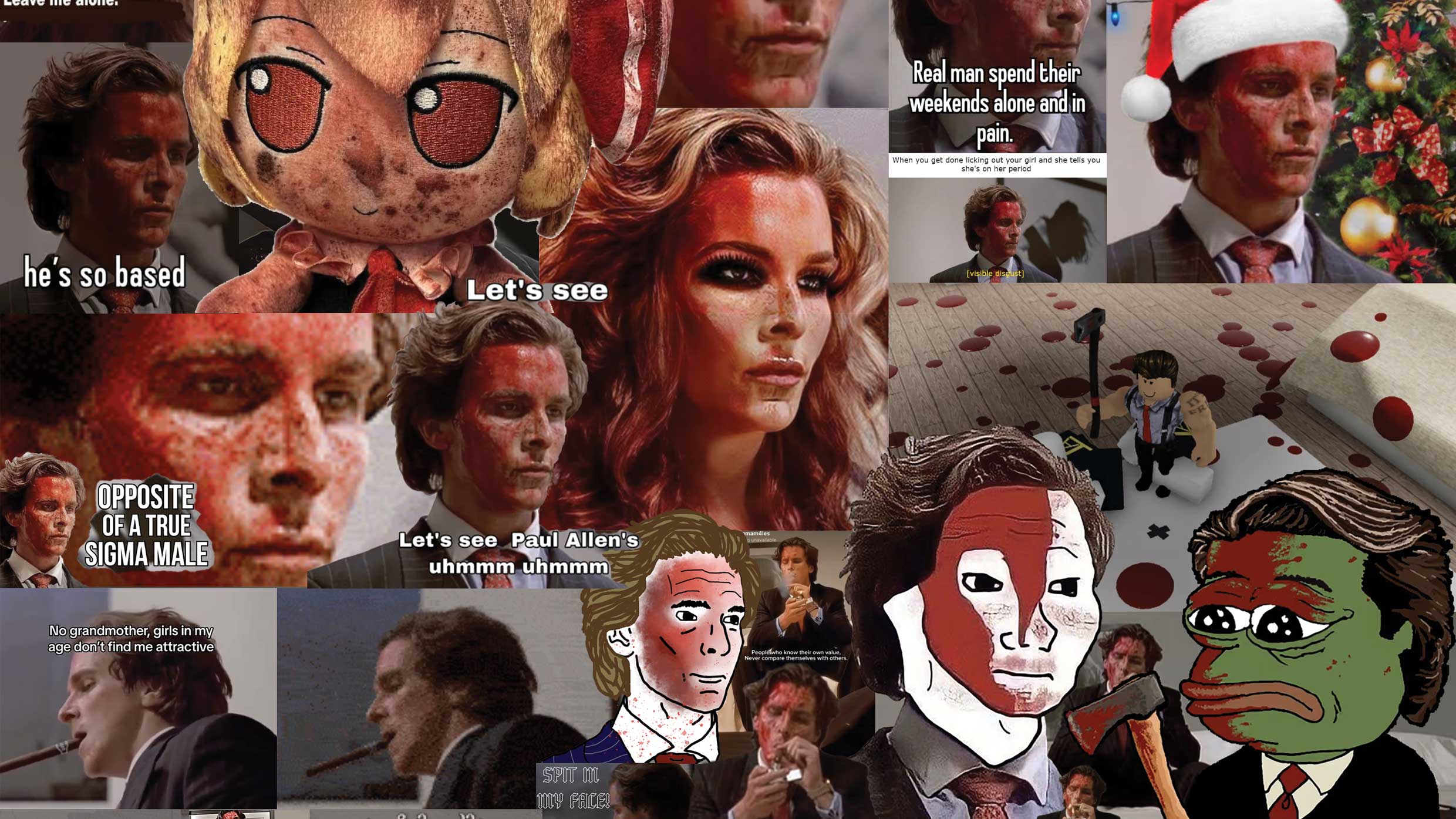
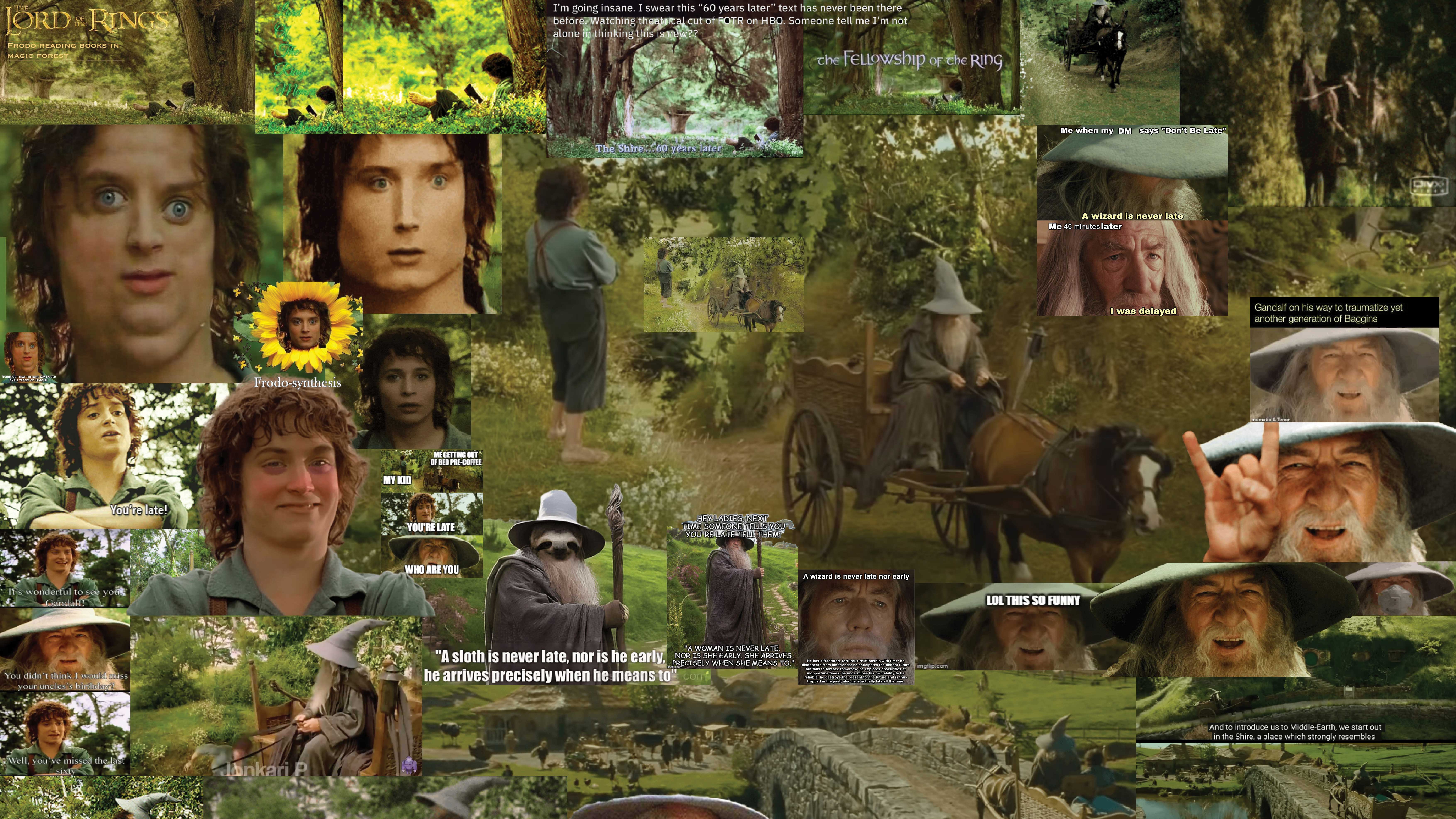
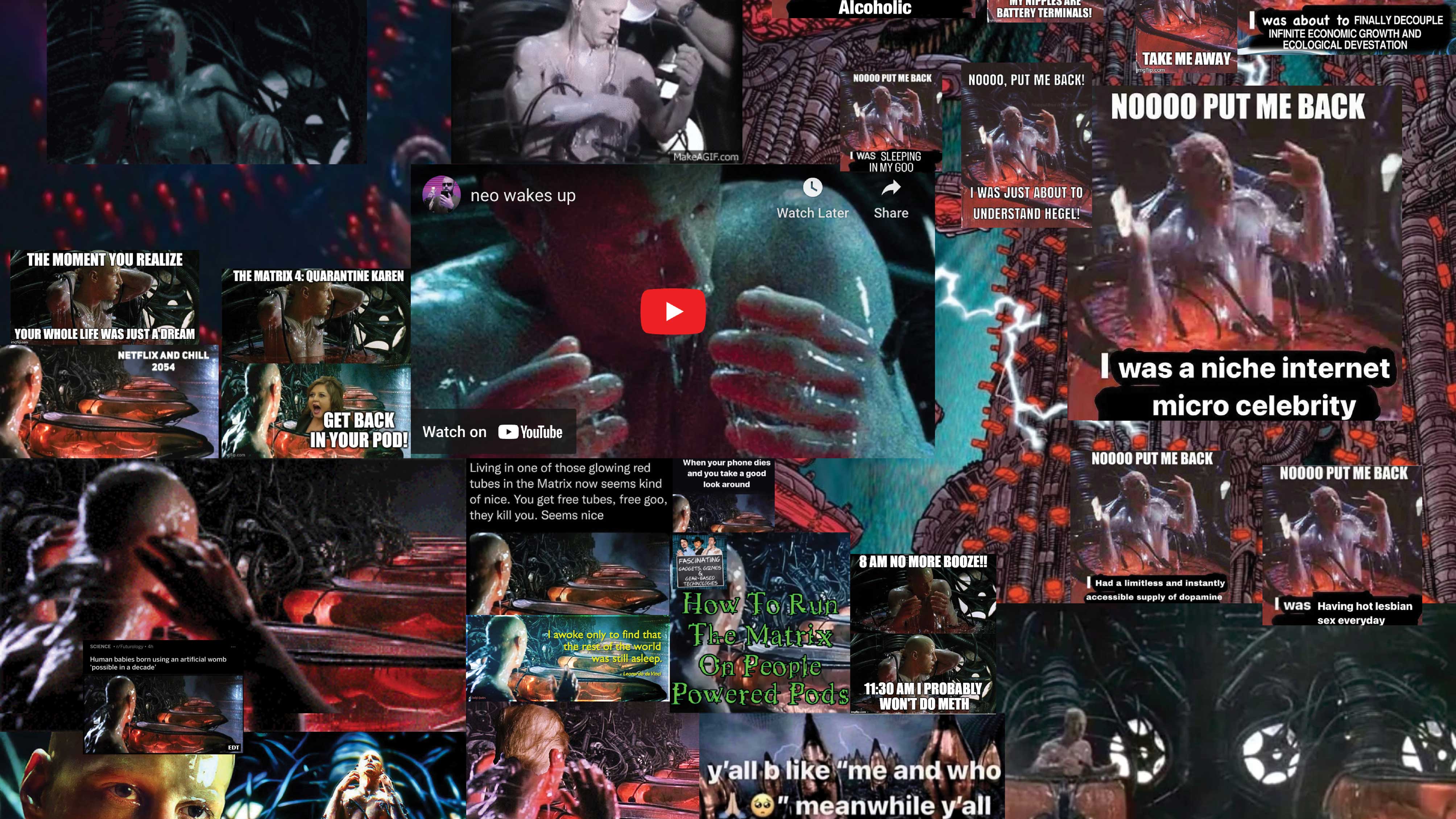
A Life of Its Own is a series of experimental movies in the form of webpages, consisting of found footage, collages, mashup videos, memes, GIFs and screenshots derived from popular movies, archived and organised by artist Sara Bezovšek. The series takes a close look at how movies are appropriated and transformed into memes, recaps, and reenactments that appear in online spaces and social media platforms, transforming their original context and meaning.
How does the network and the viral mechanics of the web affect the image and its consumption? How does the movie industry become part of online visual culture and how do GIFs and memes affect film production and promotion? Each contribution from the artist revolves around one specific movie, selected for its cultural relevance in how it has been appropriated and how its specific visual vocabulary has been spawned.
As movie fragments get “screenshot” and cropped, transformed with text and visually manipulated, they become part of meme culture and gain a life of their own. Circulating within the network economy that relies on free creative labour, they can easily be weaponised by different political stakeholders and agendas. Entries by Bezovšek will result in a scrollable feed of visual materials found on the internet, attempting to reconstruct the plot of the original movie.
The project is developed with support from Fotomuseum Winterthur for the
[permanent beta] platform.
The Lure of Memetic Auto-TheoryCatalogue essay for
The Lure of the Image, by Idil Galip
Read it here
Exhibitions:
The Lure of the Image, C/O Berlin, Berlin, Germany, 2026 (upcoming)
Layered Realities, Fotomuseum Hilversum, Hilversum, Netherlands, 2026
The Lure of the Image, Fotomuseum Winterthur, Winterthur, Switzerland, 2025
Balladen zum Abschied, Fotomuseum Winterthur, Winterthur, Switzerland, 2023
Poster series available for purchase:
A Life of Its Own - poster series